Bachelor's Program in Engineering
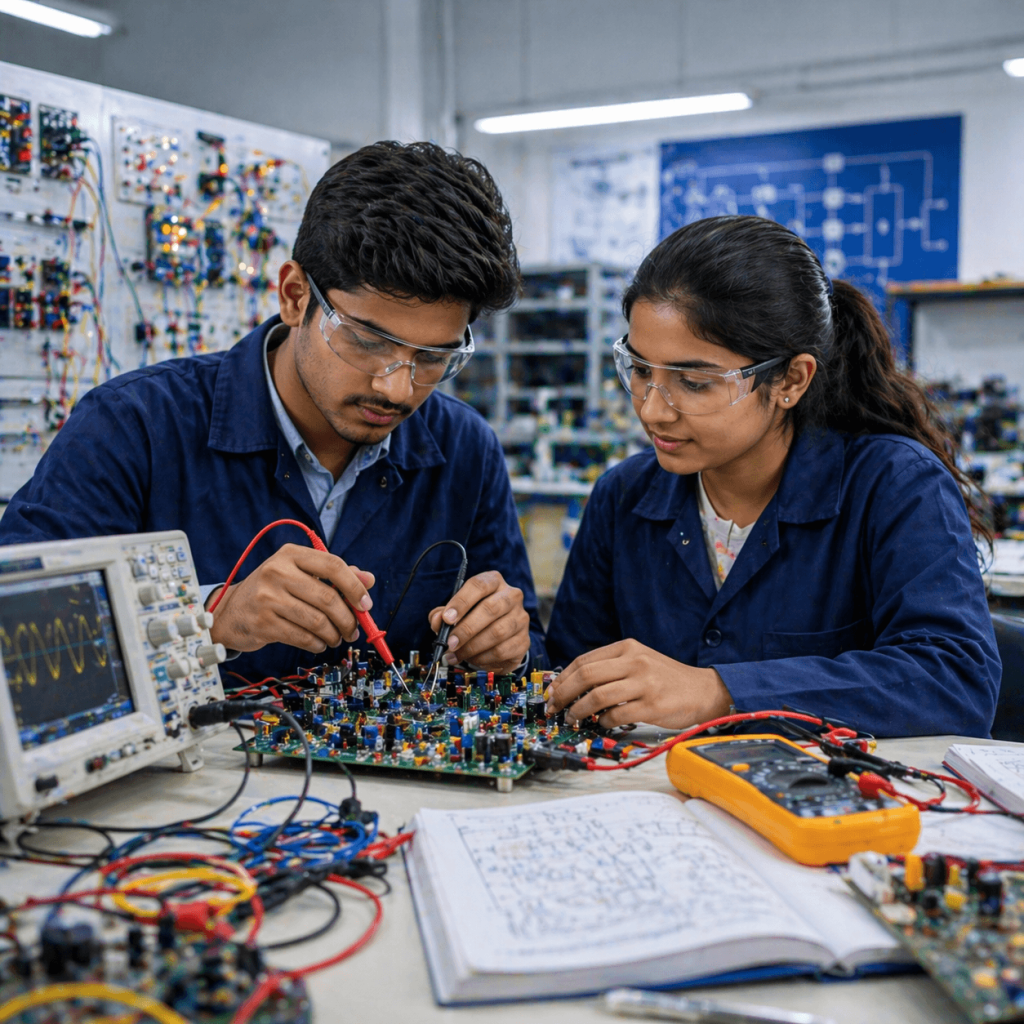
Bachelor's Program In Electronics and Communication Engineering
Focuses on electronic devices, communication systems, embedded systems, signal processing, and modern telecommunication technologies.
Bachelor Program
in Electronics and Communication Engineering (ECE) is a 4-year undergraduate engineering program that deals with the design, development, and maintenance of electronic equipment and communication systems. It combines strong theoretical knowledge with practical laboratory training and industry-oriented projects.
This program builds a solid foundation in analog and digital electronics, microprocessors, embedded systems, communication networks, signal processing, VLSI design, and wireless technologies.
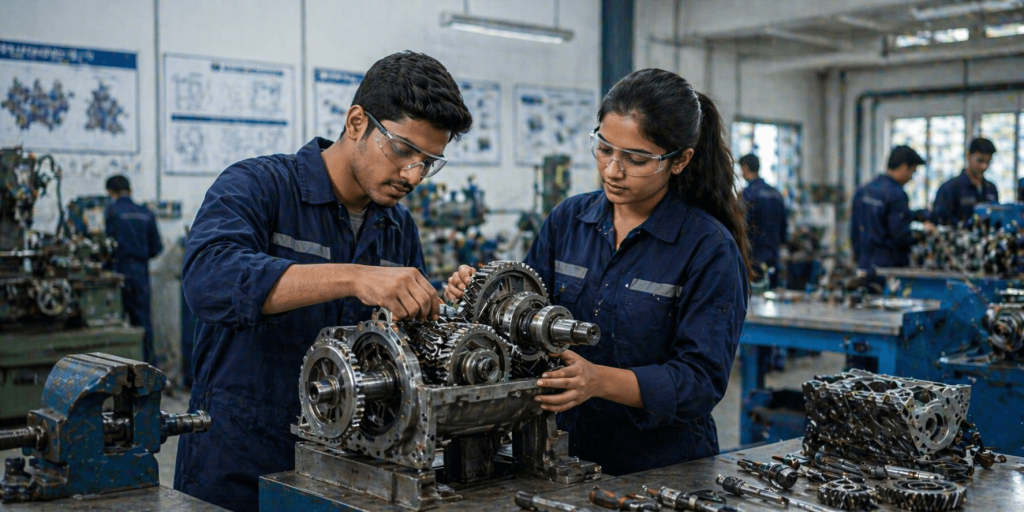
Bachelor's Program in Mechanical Engineering
Focuses on the principles of mechanics, motion, forces, energy systems, and the design and analysis of mechanical structures and machines.
Bachelor Program in Mechanics is a 4-year undergraduate engineering program that emphasizes the study of mechanical behavior of materials, dynamics, kinematics, and applied engineering mechanics. The course integrates theoretical knowledge with practical applications through laboratory experiments, technical workshops, and project-based learning.
This program builds a strong foundation in engineering mechanics, strength of materials, fluid mechanics, thermodynamics, machine dynamics, and structural analysis. Students develop analytical and problem-solving skills required to design, test, and improve mechanical systems.
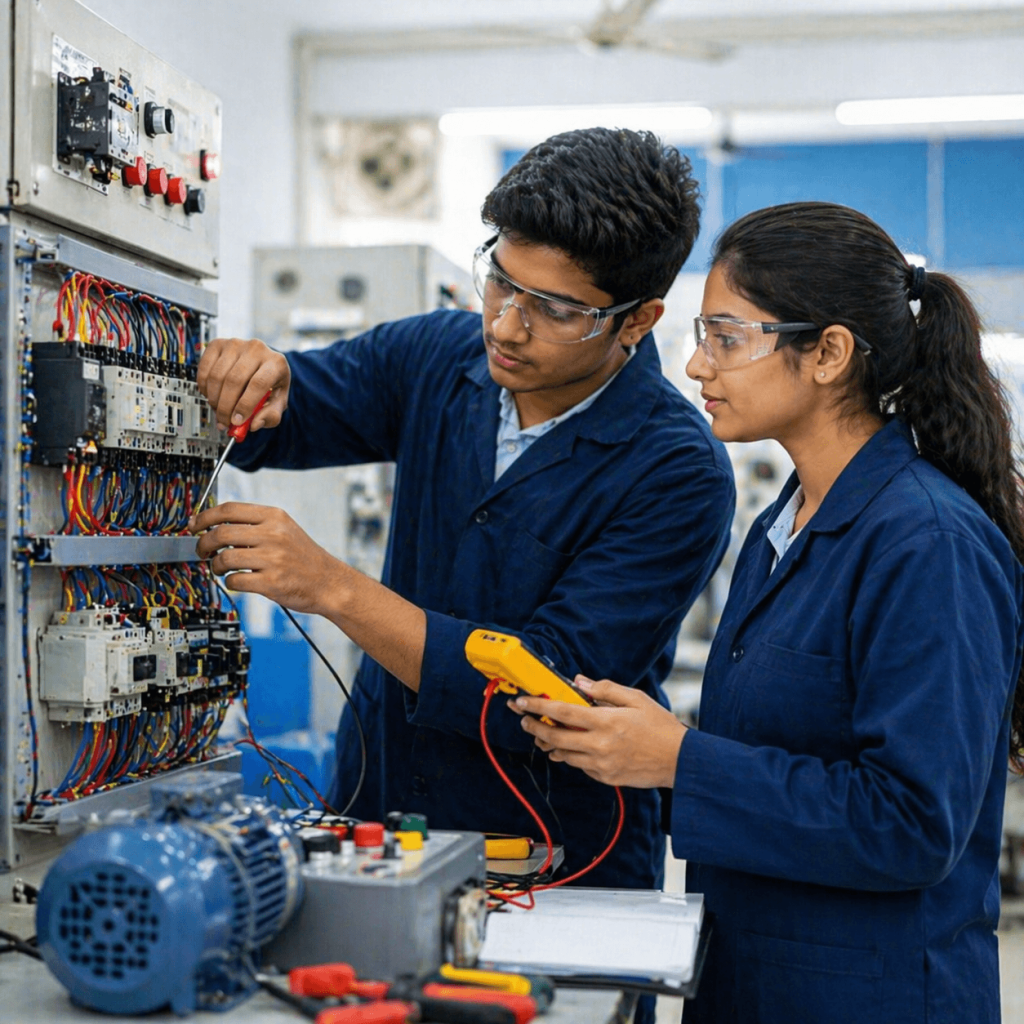
Bachelor's Program in Electrical Engineering
Focuses on power systems, electrical machines, control systems, renewable energy, and industrial electrical technologies.
Bachelor Program in Electrical Engineering is a 4-year undergraduate engineering program that deals with the generation, transmission, distribution, and utilization of electrical energy. The course combines strong theoretical foundations with practical laboratory training, industrial exposure, and project-based learning.
This program builds a solid foundation in electrical circuits, power systems, electrical machines, control systems, power electronics, renewable energy systems, and smart grid technologies. Students develop analytical, technical, and problem-solving skills required for modern electrical industries
Bachelor's Program in Automobile Engineering
Focuses on vehicle design, automotive systems, manufacturing technology, and modern transportation engineering.
Bachelor Program in Automobile Engineering is a 4-year undergraduate engineering program that deals with the design, development, production, and maintenance of automobiles and automotive components. The course combines strong theoretical knowledge with practical training, laboratory work, and industry-oriented projects.
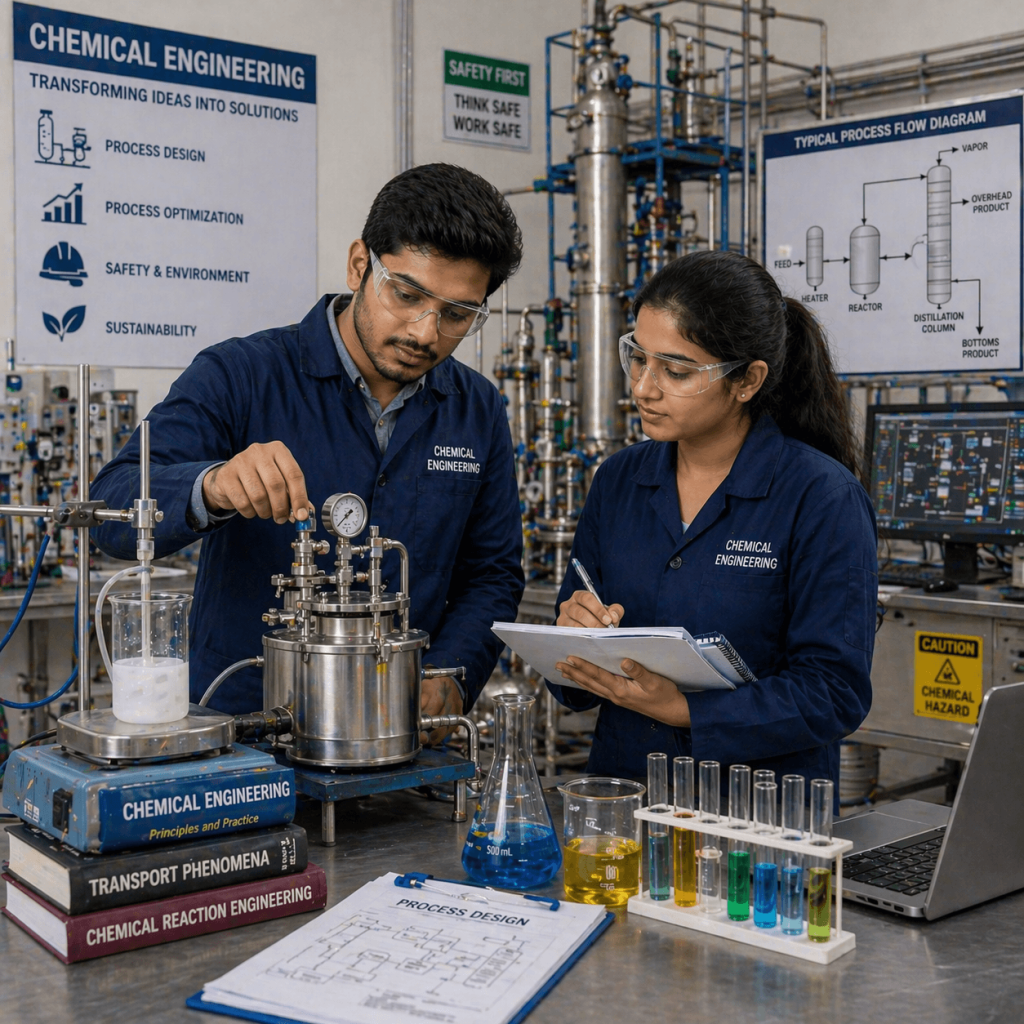
Bachelor's Program in Chemical Engineering
Focuses on chemical processes, industrial production, material transformation, and process engineering technologies.
Bachelor Programme in Chemical Engineering is a 4-year undergraduate engineering program that deals with the design, development, and operation of processes that convert raw materials into valuable products. The course combines strong theoretical knowledge with laboratory experiments, industrial training, and project-based learning to prepare students for process industries.
This program builds a solid foundation in chemical process calculations, thermodynamics, fluid mechanics, heat and mass transfer, reaction engineering, process control, and industrial safety.
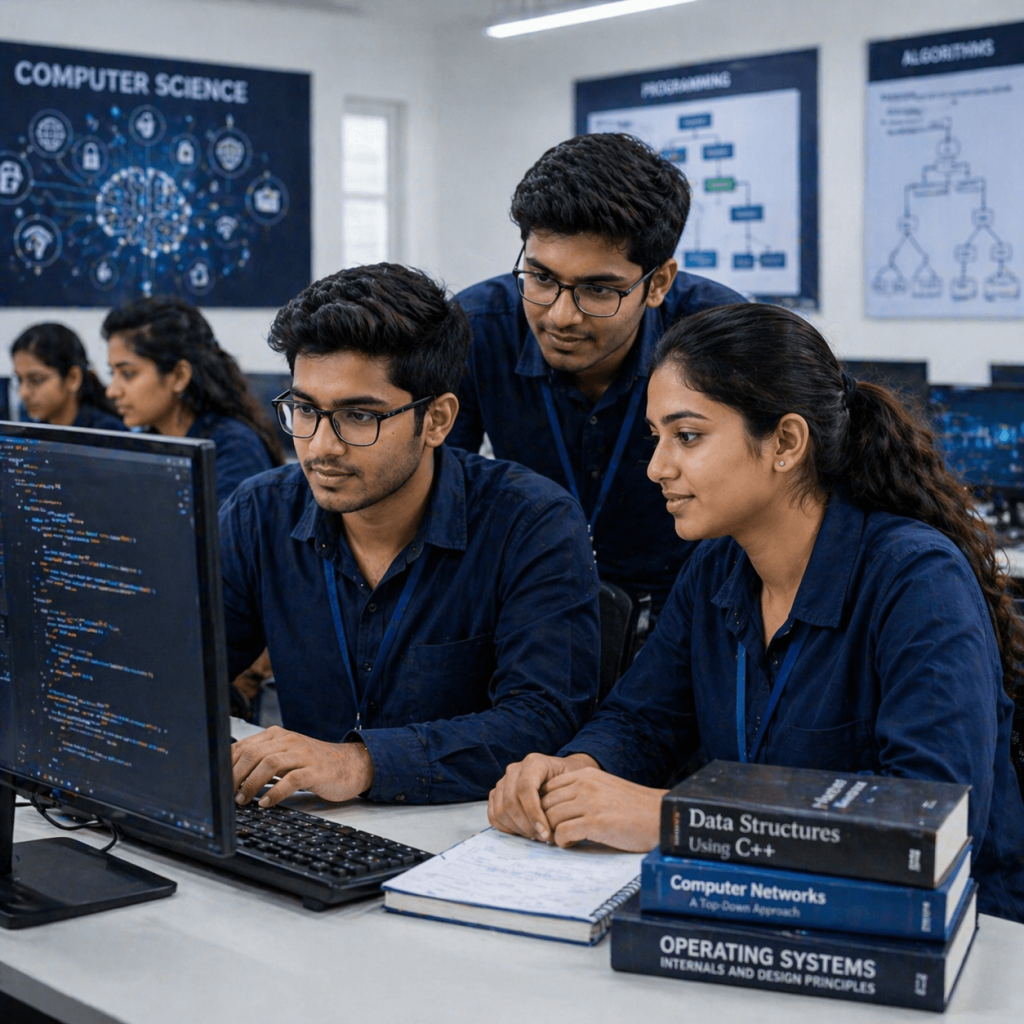
Bachelor's Program in Computer Science Engineering
Focuses on software development, computer systems, artificial intelligence, data science, and modern computing technologies.
Bachelor Program in Computer Science Engineering is a 4-year undergraduate engineering programme designed to provide in-depth knowledge of computing systems, programming, and emerging digital technologies. The course combines strong theoretical foundations with practical application to prepare students for the rapidly evolving IT industry.
This programme builds a solid foundation in programming languages, data structures, algorithms, operating systems, database management systems, computer networks, software engineering, cybersecurity, artificial intelligence, cloud computing, and web technologies.
Bachelor's Program in Electronics & Telecommunication Engineering
Focuses on electronic systems, communication networks, signal processing, and modern telecommunication technologies.
The Bachelor Program in Electronics & Telecommunication Engineering is a 4-year undergraduate engineering programme designed to provide in-depth knowledge of electronic devices, communication systems, and advanced networking technologies. The course combines strong theoretical foundations with practical applications to prepare students for careers in the rapidly evolving electronics and telecom industries.
This programme builds a solid foundation in electronic circuits, digital electronics, microprocessors and microcontrollers, signal processing, analog and digital communication systems, wireless communication, optical communication, embedded systems, VLSI design, and computer networks.
Bachelor's Program in Instrumentation and Control Engineering
Focuses on measurement systems, industrial automation, process control, and advanced control technologies.
The Bachelor Program in Instrumentation and Control Engineering is a 4-year undergraduate engineering programme designed to provide in-depth knowledge of instrumentation systems, control engineering, and industrial automation technologies. The course prepares students to design, develop, install, and maintain control systems used in modern industries.
This programme builds a strong foundation in electronic circuits, sensors and transducers, industrial instrumentation, control systems, process control, microprocessors and microcontrollers, PLC and SCADA systems, digital signal processing, electrical machines, and industrial automation.
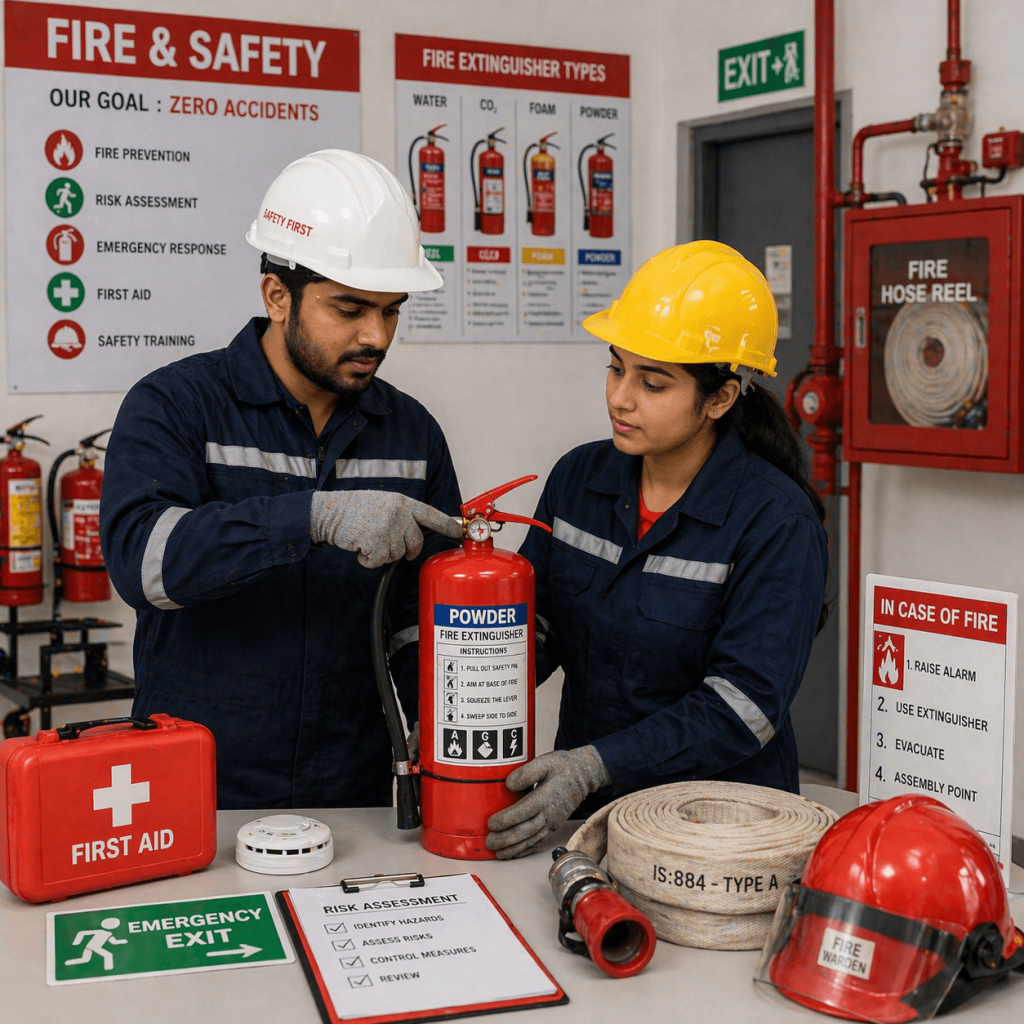
Bachelor's of Engineering in Fire and Industrial Safety
Focuses on fire prevention engineering, industrial hazard control, occupational safety management, and emergency response systems.
The Bachelor of Engineering in Fire and Industrial Safety is an undergraduate engineering programme designed to provide comprehensive knowledge in fire protection systems, industrial safety standards, risk management, and disaster prevention techniques. The course prepares students to identify hazards, implement safety measures, and manage emergency situations effectively in industrial and commercial environments.
This programme builds a strong foundation in fire engineering, industrial safety management, construction safety, environmental safety, safety laws and regulations, risk assessment, hazard analysis, emergency planning, and safety auditing.
Bachelor's Program in Information Technology (IT)
Focuses on software development, network systems, database management, cybersecurity, and modern IT solutions.
The Bachelor Program in Information Technology (IT) is a 4-year undergraduate engineering programme designed to provide in-depth knowledge of information systems, computing technologies, and digital infrastructure management. The course prepares students to design, develop, implement, and manage IT solutions for various industries.
This programme builds a strong foundation in programming languages, data structures, database management systems, operating systems, computer networks, web technologies, cloud computing, cybersecurity, software engineering, and data analytics.
Bachelor's Program in Electrical & Electronics Engineering (EEE)
Focuses on electrical power systems, electronic devices, control systems, and industrial automation technologies.
The Bachelor Program in Electrical & Electronics Engineering (EEE) is a 4-year undergraduate engineering programme designed to provide comprehensive knowledge in electrical engineering principles and electronic technologies. The course prepares students to design, develop, operate, and maintain electrical and electronic systems used in power generation, transmission, distribution, and industrial applications.
This programme builds a strong foundation in electrical circuits, electrical machines, power systems, power electronics, control systems, digital electronics, microprocessors and microcontrollers, instrumentation, renewable energy systems, and industrial automation. Students gain practical exposure through laboratory sessions, industrial training, projects, and internships to understand real-world engineering applications.

Bachelor's Program in Civil Engineering (Lateral Entry)
Focuses on structural design, construction technology, infrastructure development, and project management.
The Bachelor Program in Civil Engineering (Lateral Entry) is a engineering programme designed for diploma holders to gain advanced knowledge and technical expertise in civil engineering. Students are admitted directly into the second year of the B.Tech programme, enabling them to complete the degree in a shorter duration.
This programme builds a strong foundation in structural engineering, construction management, geotechnical engineering, transportation engineering, environmental engineering, surveying, building materials, and infrastructure planning.
Bachelor's Program in Electrical & Electronics Engineering (EEE) – Lateral Entry
Focuses on advanced electrical systems, power engineering, electronics, and industrial automation technologies.
The Bachelor Program in Electrical & Electronics Engineering (EEE) – Lateral Entry
is a engineering programme designed for diploma holders to gain advanced technical knowledge in electrical and electronic engineering. Students are admitted directly into the second year of the B.Tech programme, enabling them to complete the degree in a shorter duration.
This programme builds a strong foundation in power systems, electrical machines, power electronics, control systems, digital electronics, microprocessors and microcontrollers, instrumentation, renewable energy systems, and industrial automation.